

Monsoon humidity can make breathing problems worse by encouraging mould growth and increasing exposure to allergens. People with asthma, allergies or sensitive airways may experience coughing, wheezing, chest tightness and breathlessness. Understanding these triggers and improving ventilation, reducing indoor dampness and avoiding mould can help protect respiratory health during rainy weather.

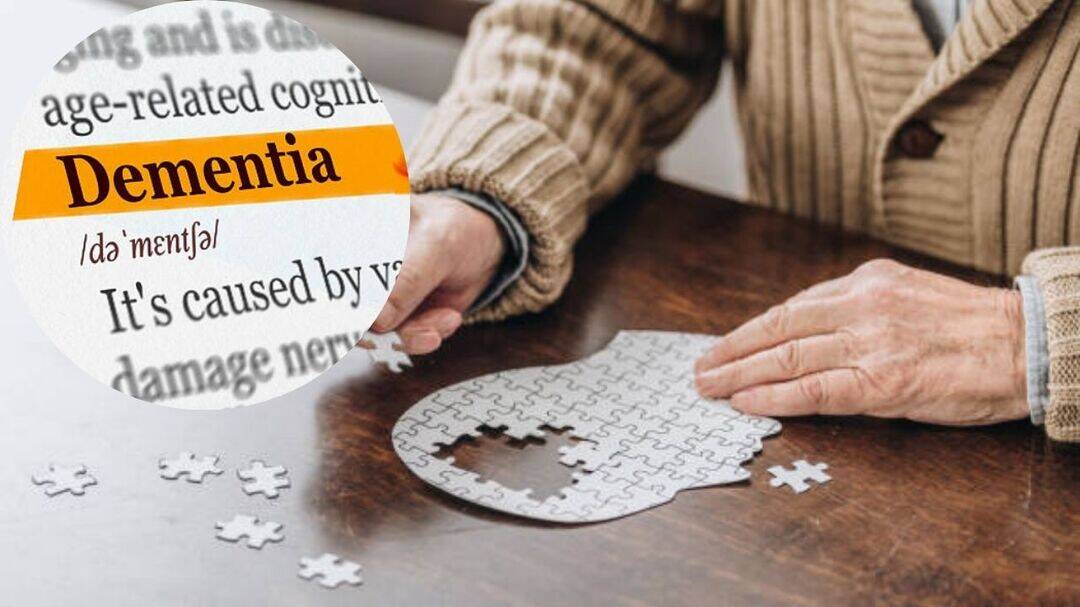
A healthy lifestyle may significantly extend the number of years people live without dementia. Avoiding high blood pressure, diabetes and smoking could help protect brain health and potentially add nearly 13 dementia-free years, according to research. The findings highlight how controlling major risk factors may influence cognitive health and healthy ageing.
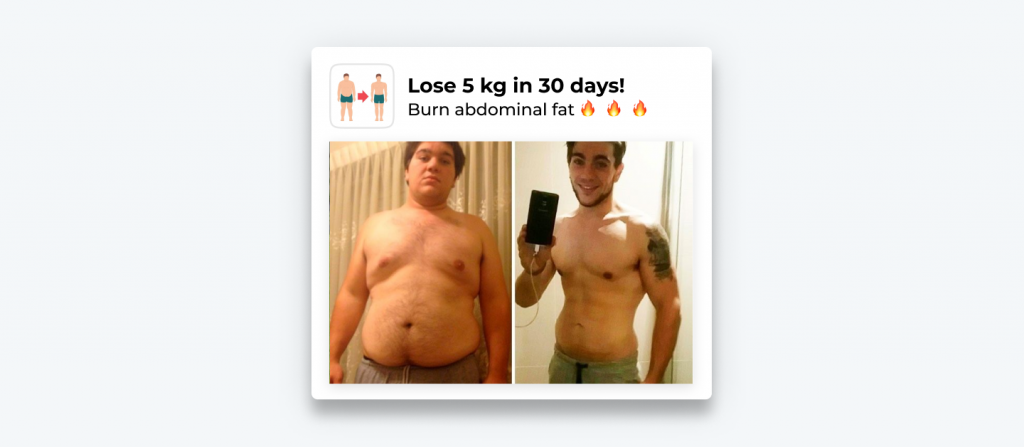
I used to struggle with tracking my meals and staying consistent. Then I found Zylo AI, it made calorie tracking effortless. Just a quick photo, and I knew exactly what I was eating. I have Lost over 12 Pounds (Kgs) in 30 days.
Over time, I learned my habits, made smarter food choices, and finally reached my goal weight. Zylo didn’t just count calories; it guided me toward balance and progress.
Start your journey with Zylo AI track smarter, live better.
Karnataka is offering cash rewards of ₹10,000 to ₹50,000 for credible information about fake medicine networks. The move follows the seizure of spurious drugs worth over ₹5 crore in Ramanagara. People can share information through the 1902 helpline or department QR code, with their identities kept confidential, officials said.


Rajasthan has added CAR-T Cell Therapy to its RGHS medical packages, expanding access to advanced cancer treatment for eligible government employees, pensioners and their families. The therapy uses a patient's own immune cells to fight certain blood cancers. Treatment will require pre-approval and an expert medical team's recommendation under the scheme's rules.
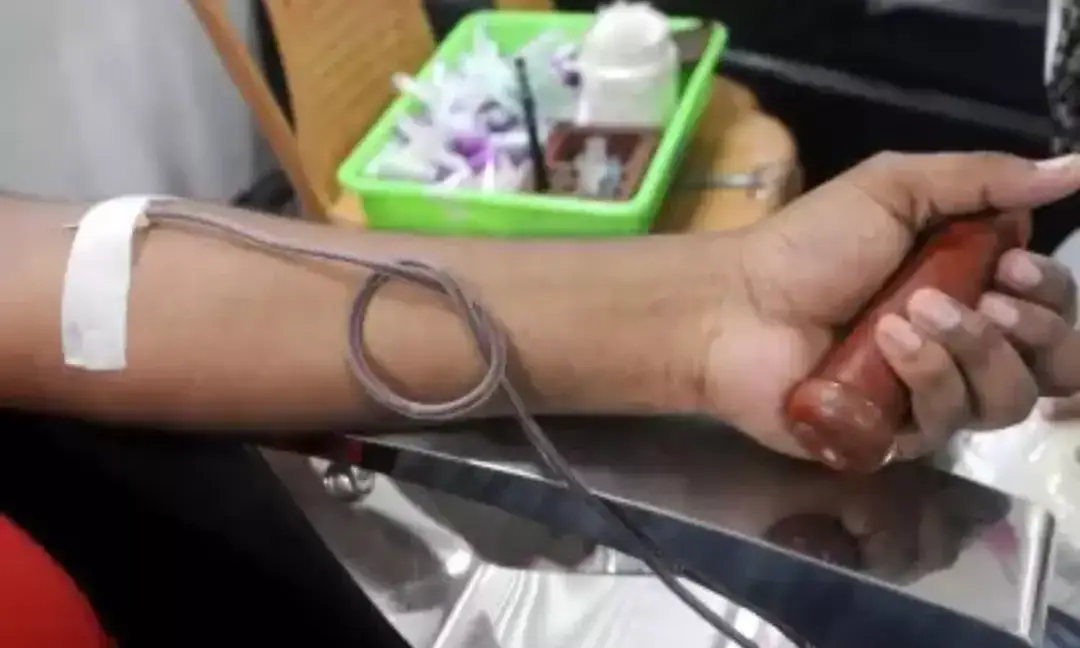
The Calcutta High Court has directed West Bengal's Health Department to complete within a week its probe into 11 private blood banks accused of serious rule violations. The banks were earlier stopped from holding blood donation camps after complaints of collecting excess blood and allegedly selling blood and plasma to other states without permission.

Four people have died and 18 are hospitalised after allegedly drinking fake liquor in Gujarat's Bhavnagar district. Eight patients are reported to be in serious condition. Police say the liquor was illegally brought from Madhya Pradesh and sold under a popular brand name. Four suspected liquor smugglers have been detained, and the supply chain is under investigation.
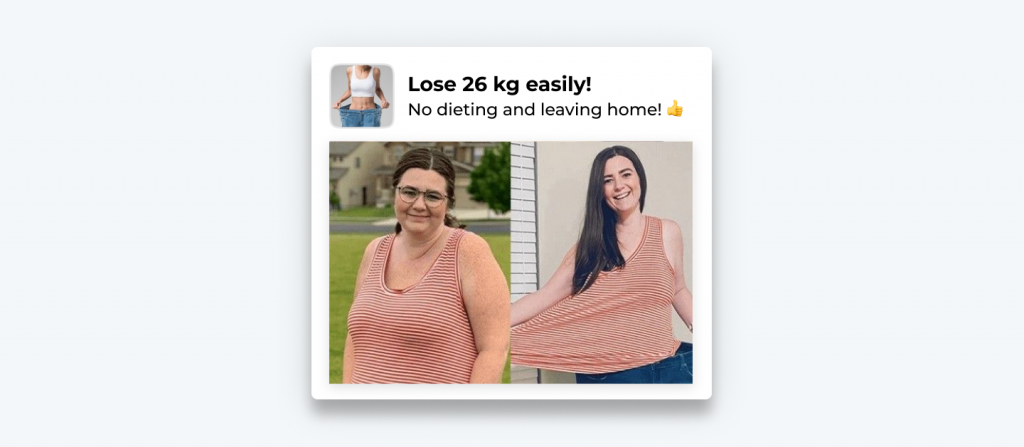
I’d tried every diet and app before, but nothing stuck. Then I discovered Zylo AI. Instead of guessing, I started tracking my meals with a single photo. Zylo instantly showed me calories, protein, and nutrients no manual logging, no confusion.
Slowly, I built better habits and stayed consistent. In just months, I lost 26 kgs and gained real confidence. Zylo didn’t just track my food — it changed how I live.
Track smarter. Eat better and the best part its Free Calorie Tracker

Gujarat has reported fewer mosquito-borne diseases this year. Till epidemiological Week 33, malaria cases fell by 45%, dengue by 39.1% and chikungunya by 48.1% compared with 2025. The decline is linked to stronger testing, mosquito control and house-to-house checks. No malaria or dengue deaths were reported during this period, officials said.
Nanavati Max Super Speciality Hospital has launched a dedicated Cancer Helpline for patients and families. Available via calls and WhatsApp at +91 82911 70000, it offers guidance on treatment, specialists, nutrition and emotional support. The helpline aims to connect patients with the right cancer care services and make their treatment journey easier.
Delhi is seeing rising H1N1 cases, with some patients developing serious respiratory complications. Doctors warn that swine flu can cause pneumonia, worsen existing heart or lung conditions and, in severe cases, lead to respiratory failure. Young children, elderly people, pregnant women and those with diabetes, asthma or weak immunity face higher risks.
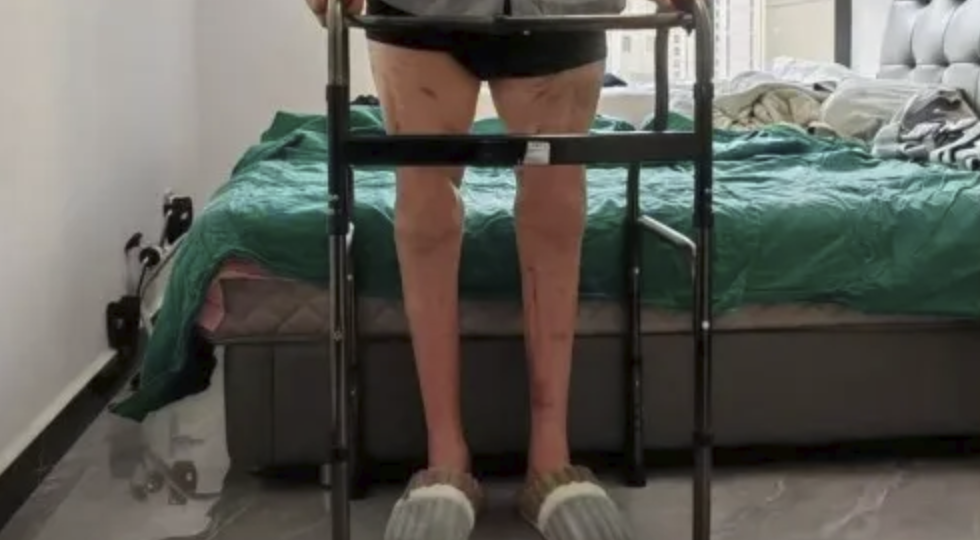
Chinese surgeons achieved the world's first successful double-thigh replantation after a factory accident, reconnecting both limbs in an eight-hour microsurgery. Despite skin necrosis and bone-healing complications, the 51-year-old patient regained sensation, can stand and walk indoors with a walker, and manages most daily tasks nearly 20 months later.