

Swine flu symptoms like fever, cough, sore throat, headache and body pain should not be ignored if they persist or worsen. Take adequate rest, stay hydrated, wear a mask when needed and avoid close contact with others. Seek medical advice if symptoms worsen, especially for high-risk groups, and avoid taking antibiotics or antivirals without a doctor's advice.


Karishma Tanna's gradual return to walking after childbirth highlights the importance of safe postpartum exercise. Following her doctor's advice, the new mother is prioritizing gentle movement and mental well-being rather than rapid weight loss. Experts emphasize individualized recovery, adequate rest, nutrition and medical guidance before increasing physical activity after delivery.

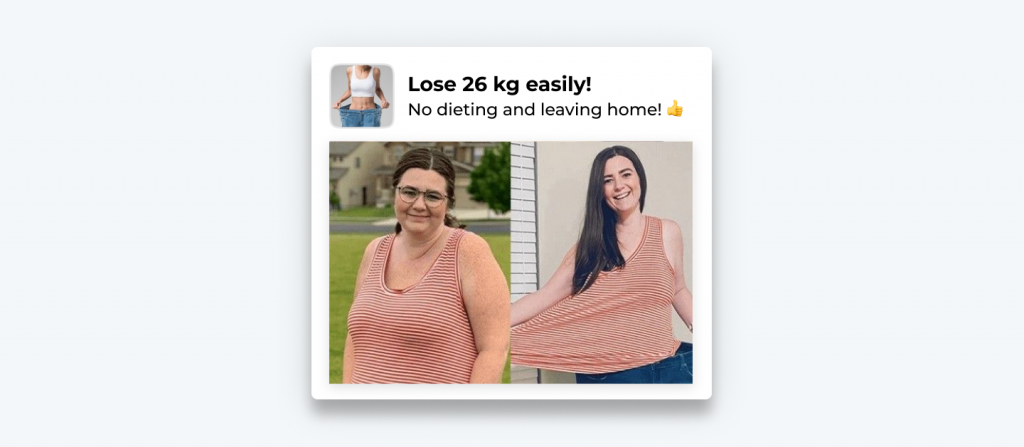
I’d tried every diet and app before, but nothing stuck. Then I discovered Zylo AI. Instead of guessing, I started tracking my meals with a single photo. Zylo instantly showed me calories, protein, and nutrients no manual logging, no confusion.
Slowly, I built better habits and stayed consistent. In just months, I lost 26 kgs and gained real confidence. Zylo didn’t just track my food — it changed how I live.
Track smarter. Eat better and the best part its Free Calorie Tracker
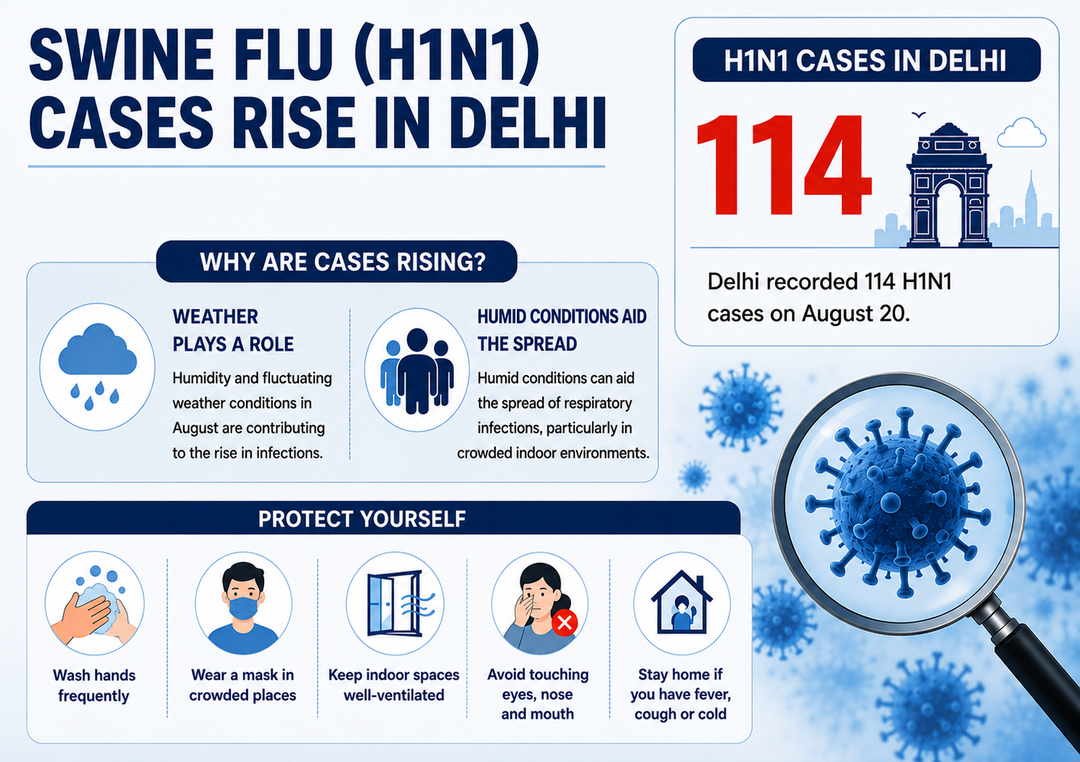
Amid rising cases of swine flu (H1N1) in Delhi, Dr Harpreet Kaur, Medical Superintendent at Aakash Healthcare Super Speciality Hospital in New Delhi, said weather is playing a role in rise in infections in August. Humid conditions can aid the spread of respiratory infections, particularly in crowded indoor environments, Dr Kaur added. Delhi recorded 114 H1N1 cases on August 20.

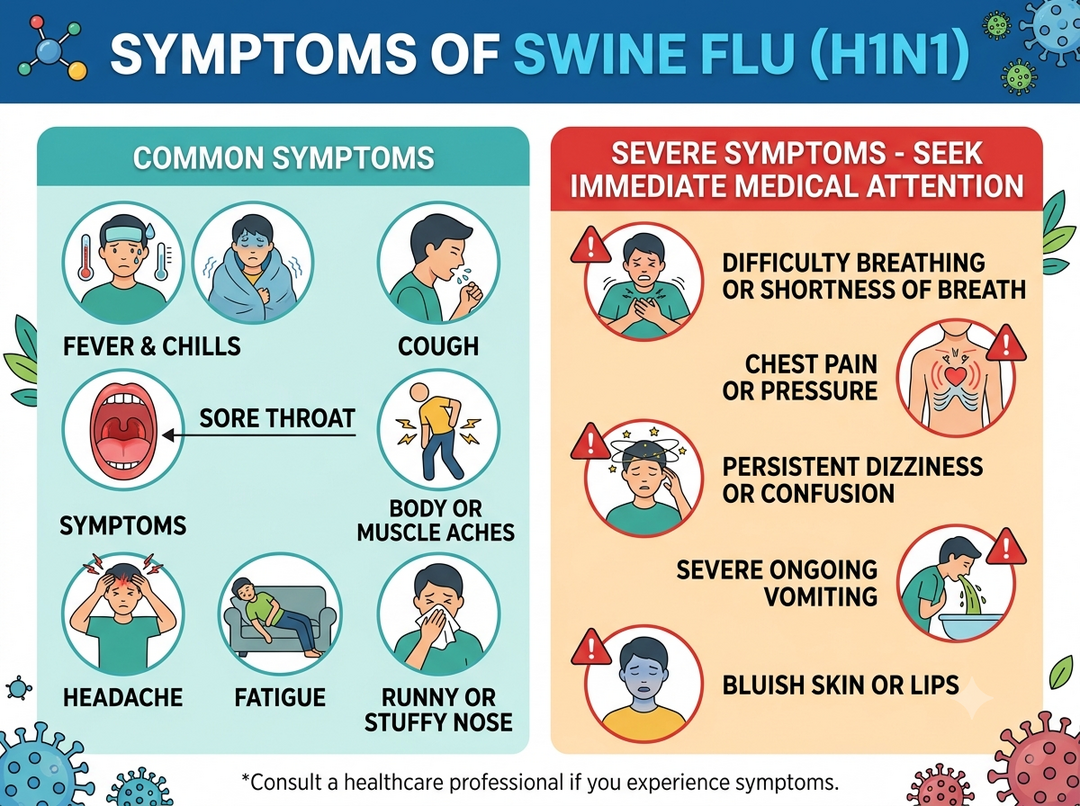
Symptoms of swine flu (H1N1) include fever, chills, cough, sore throat, body or muscle aches, headache and fatigue. Severe symptoms that require immediate medical attention include difficulty breathing or shortness of breath, chest pain or pressure, persistent dizziness or confusion, severe or ongoing vomiting, and bluish skin or lips. H1N1 cases have been rising in Delhi.

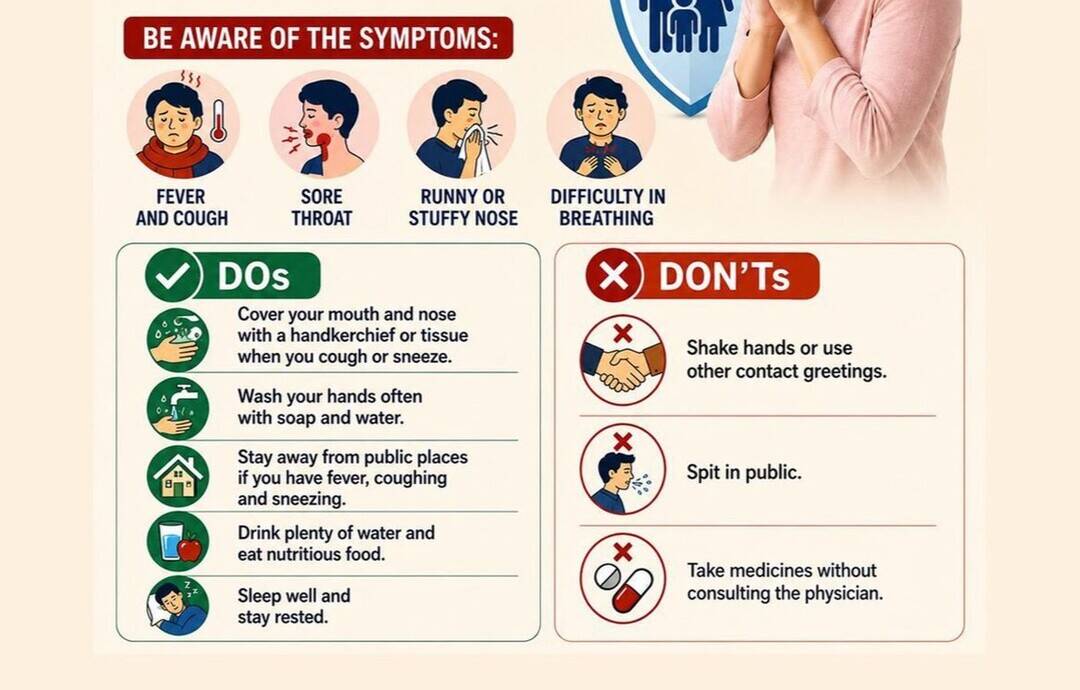
Health Ministry has shared dos and don'ts for swine flu (H1N1). Dos include covering your mouth and nose while sneezing or coughing, washing hands with soap and water, drinking plenty of water, and getting proper rest. Don'ts include shaking hands, spitting in public, and taking medicines without consulting doctors. It also shared symptoms including fever and cough.


Eka Pada Rajakapotasana, an advanced yoga pose, may help reduce stiffness in the hips and thighs while improving flexibility and mobility. The pose stretches and strengthens muscles around the hips, legs and ankles. Regular practice may also support focus and relaxation. However, people with serious hip or knee injuries should practise only with expert guidance.
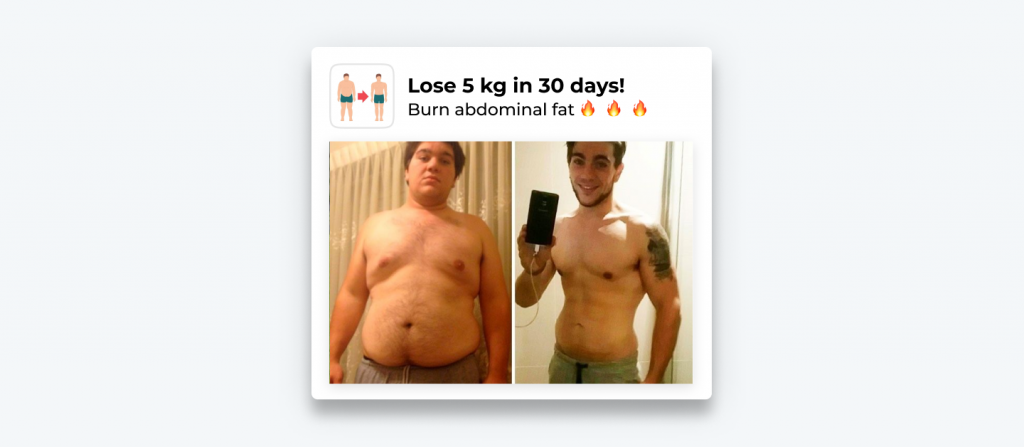
I used to struggle with tracking my meals and staying consistent. Then I found Zylo AI, it made calorie tracking effortless. Just a quick photo, and I knew exactly what I was eating. I have Lost over 12 Pounds (Kgs) in 30 days.
Over time, I learned my habits, made smarter food choices, and finally reached my goal weight. Zylo didn’t just count calories; it guided me toward balance and progress.
Start your journey with Zylo AI track smarter, live better.

Work stress, poor sleep and daily worries can trigger sudden anger. Bhramari Pranayama, which involves making a humming sound like a bee while exhaling, may help calm the mind and promote relaxation. Practising it with slow, controlled breathing can support focus and emotional balance. Avoid the practice if you have ear or nose problems.
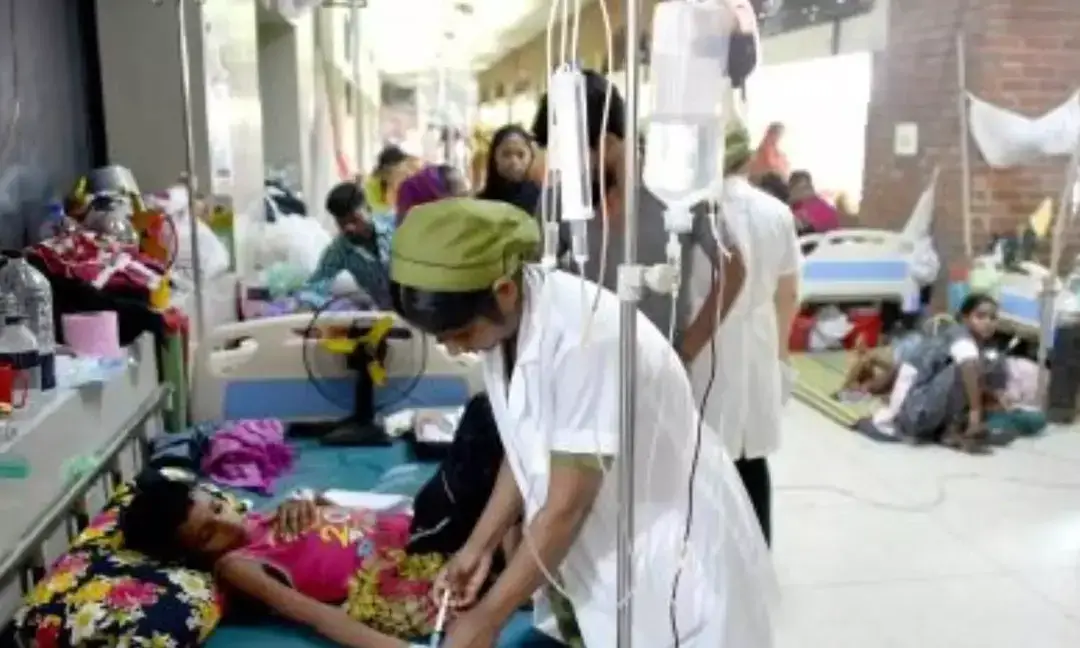
Bangladesh's measles outbreak has worsened, with eight more suspected deaths reported, taking the total confirmed and suspected death toll to 902 this year. Authorities recorded 728 new suspected cases and 70 confirmed cases in 24 hours. Experts say disrupted vaccination, supply delays and missed immunisation programmes have contributed to the escalating health crisis.
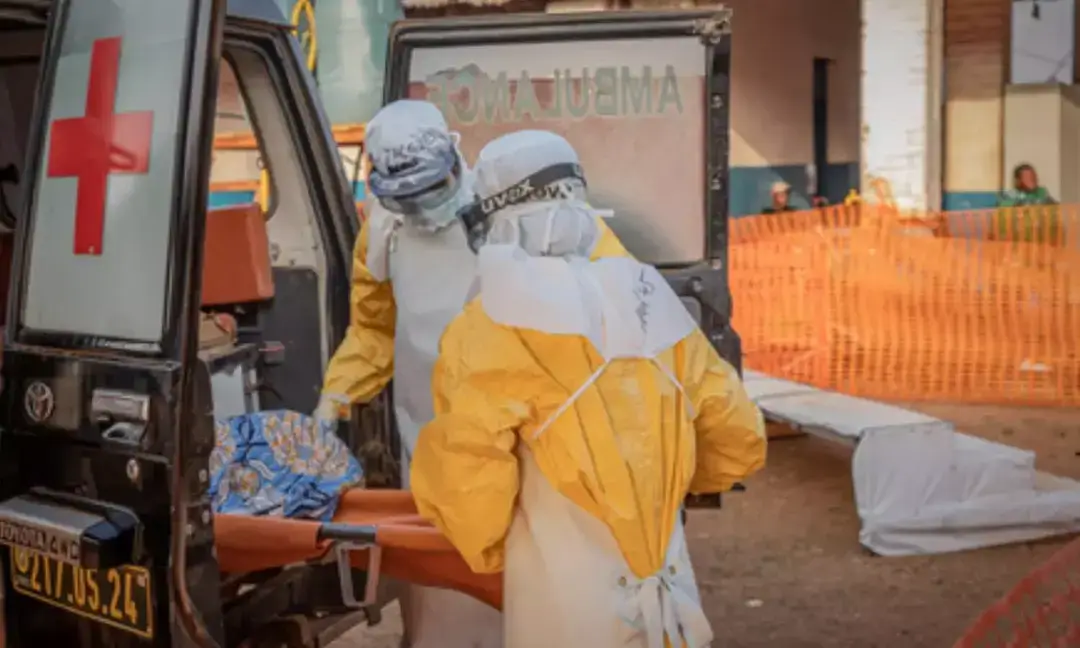
WHO has said the Ebola outbreak in the Democratic Republic of Congo remains a global health emergency, with over 5,000 confirmed cases and 2,378 deaths across six provinces. WHO warned that the Bundibugyo virus is spreading at an "unprecedented speed" and said unidentified chains of transmission remain. Experimental vaccines and treatments are being tested.
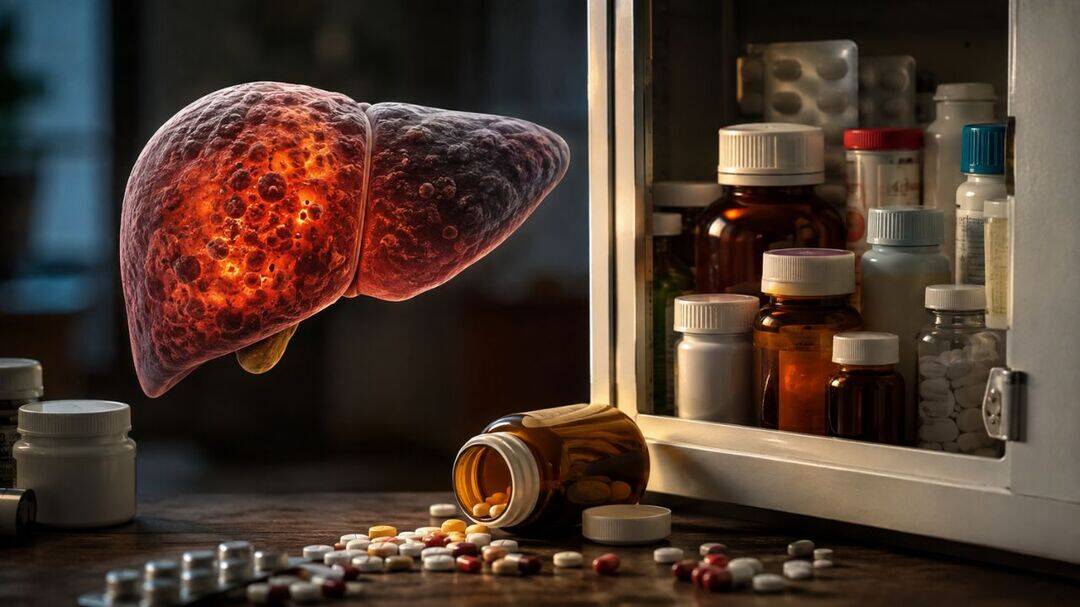
Your liver processes medicines and supplements every day, but certain drugs can cause serious liver injury when misused, taken in excess, or combined without medical advice. Experts warn that common painkillers, supplements and prescription medicines may carry hidden risks, making proper dosage, monitoring and professional guidance essential for protecting liver health.