

A new ICMR study finds drug-resistant bacterial infections in India are linked to higher mortality, increased treatment costs and longer hospital stays. With 61.1% of infections showing carbapenem resistance, experts stress stronger infection control, timely diagnostics, antimicrobial stewardship and responsible antibiotic use to combat India's growing antimicrobial resistance threat.


For nearly six months, residents of Shiv Nagar Colony in Delhi's Janakpuri Assembly constituency have had to negotiate streets covered with foul smelling, dirty water after a prolonged sewer blockage left the area waterlogged. The problem, which affects at least 500 families, became more acute during the monsoon as the water level rose, residents said.

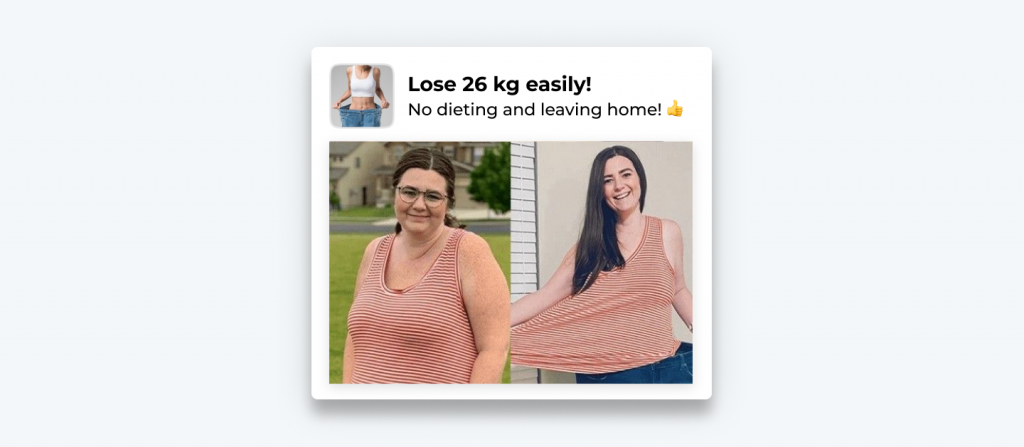
I’d tried every diet and app before, but nothing stuck. Then I discovered Zylo AI. Instead of guessing, I started tracking my meals with a single photo. Zylo instantly showed me calories, protein, and nutrients no manual logging, no confusion.
Slowly, I built better habits and stayed consistent. In just months, I lost 26 kgs and gained real confidence. Zylo didn’t just track my food — it changed how I live.
Track smarter. Eat better and the best part its Free Calorie Tracker

The sex ratio at birth (SRB) in Haryana has dropped to 900 girls per 1,000 boys in 2026, up to June, from 923 recorded in 2025. This was revealed by Women and Child Development Minister Shruti Chaudhry while responding to an unstarred question raised by Kaithal MLA Aditya Surjewala. Surjewala had sought district-wise data on the sex ratio at birth.

Lionel Richie, 77, was hospitalized after appearing to struggle during the final part of his St. Louis concert. Doctors reportedly evaluated him for possible dehydration. The singer had experienced similar symptoms during his tour and previously required hospital care after feeling dizzy and unwell during a performance.

Increasing walking intensity, incorporating short intervals and gradually adding more steps can make everyday walks more effective. These simple strategies may improve cardiovascular fitness, build endurance, support healthy weight management and enhance overall wellbeing. Small, consistent changes can help people gain greater health benefits without requiring complex workouts or equipment.

India’s diabetes burden may face an emerging climate-related threat. A new review examines how rising heat, air pollution and extreme weather can disrupt glucose regulation, insulin signalling and metabolic health. With 101 million Indians living with diabetes, researchers call for stronger evidence and climate-informed prevention and care strategies.


I used to struggle with tracking my meals and staying consistent. Then I found Zylo AI, it made calorie tracking effortless. Just a quick photo, and I knew exactly what I was eating. I have Lost over 12 Pounds (Kgs) in 30 days.
Over time, I learned my habits, made smarter food choices, and finally reached my goal weight. Zylo didn’t just count calories; it guided me toward balance and progress.
Start your journey with Zylo AI track smarter, live better.
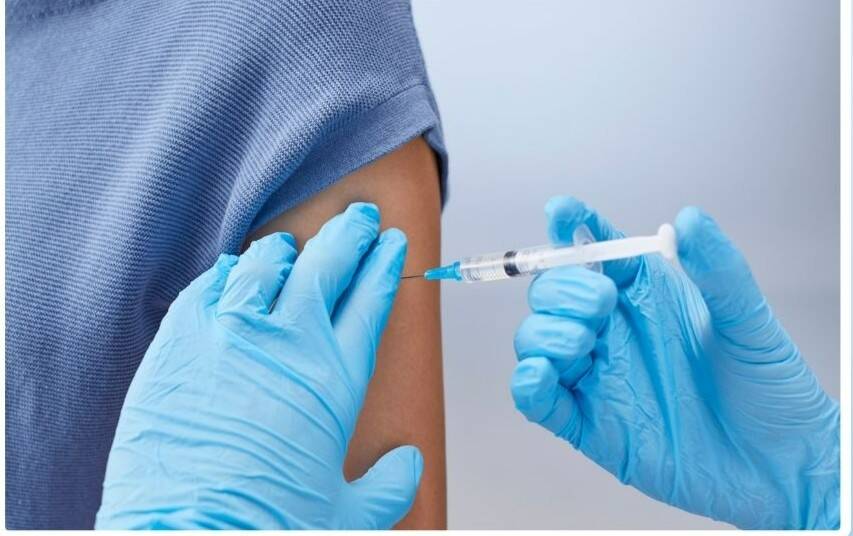
Natural immunity may develop after infection, but it comes with the risk of illness and complications. Vaccines train the immune system to recognise infections without causing the disease itself. Dr Sandeep Reddy Koppula explains why vaccination is a safer way to build protection, especially for children, and why deliberately getting infected is unwise for everyone.

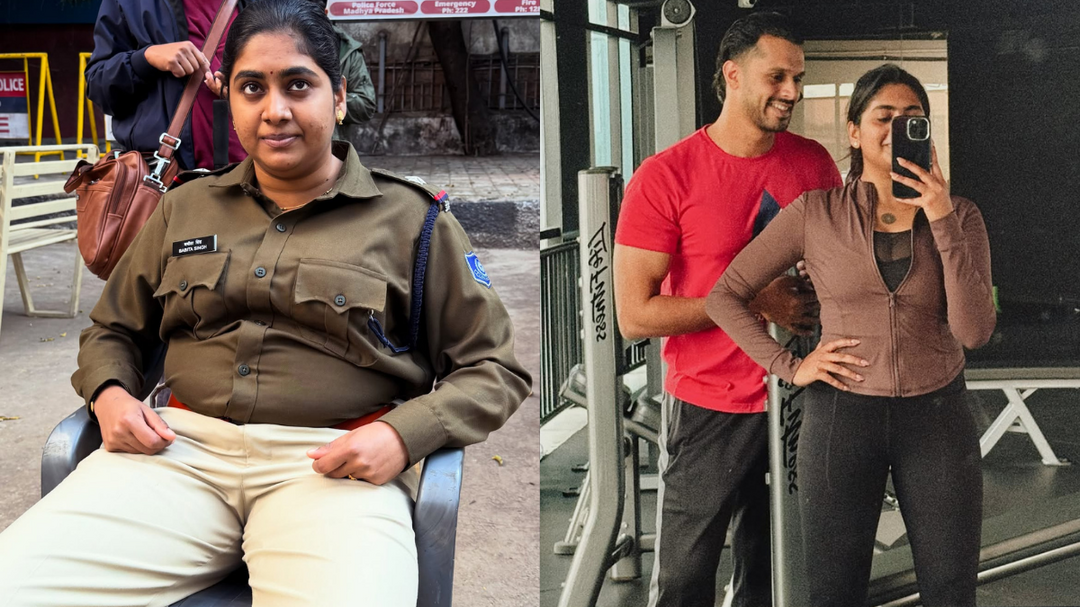
Actress Nimisha Sajayan has opened up about the difficult weight-loss journey that followed her 14-kg transformation for Babita Singh Reporting. Revealing that she went from 58 kg to 72 kg, the actor recalled sleepless nights, exhaustion and emotional breakdowns, saying, "There were days I would literally sit in front of my trainer and cry saying, 'I can't do this anymore.'"


Mira Rajput has praised a simple soup recipe originally shared by Smriti Irani for its potential iron-boosting benefits. Mira, who said she had struggled with anaemia throughout her life, tried the soup regularly for three months and noticed an improvement in her blood reports. The recipe uses masoor dal, drumsticks, onion, ginger and tomato.

Adults over 60 face a higher risk of serious complications from influenza and other vaccine-preventable infections. This flu season, four key vaccines can help protect older adults: influenza, pneumococcal, shingles and COVID-19 vaccines. Staying up to date can reduce the risk of severe illness, hospitalization and potentially life-threatening complications.