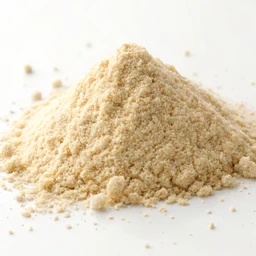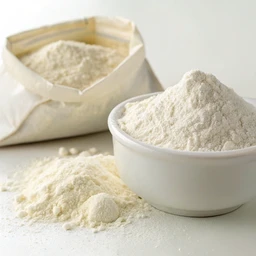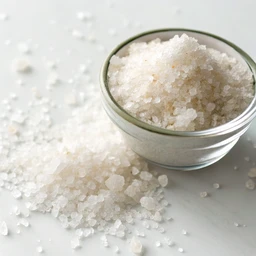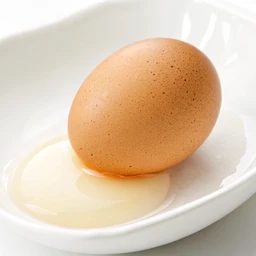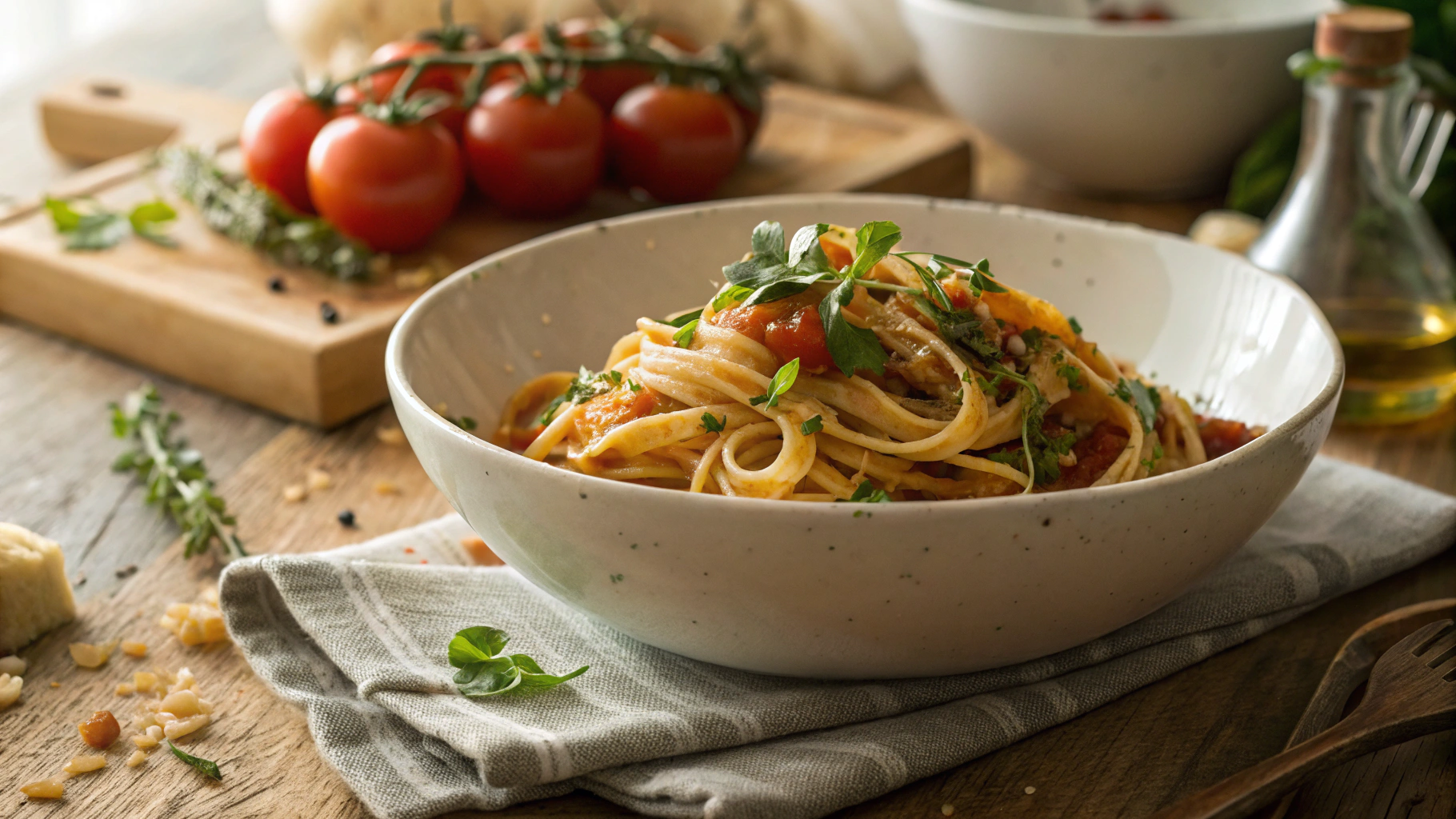
Imagine crafting pasta that aligns with your dietary goals, offering a satisfying taste and texture reminiscent of traditional homemade egg pasta. This recipe guides you through creating the raw pasta dough, a foundation upon which you can build a variety of delectable dishes. Think of it as a blank canvas for your culinary creativity.
The method of cooking will depend on the shape you choose. Once formed, this dough can be boiled (after drying), fried to a crisp golden brown, or baked until tender. Consider creating larger pasta shapes, perfect for cradling rich, flavorful sauces.
Many sauces are delightfully robust, so a sturdy noodle is essential to capture every delicious drop. A word of caution: consuming raw or undercooked ingredients may pose a risk, particularly for those with specific health considerations. If you're new to crafting this type of pasta dough, you might notice it's a bit stickier than traditional versions.
Don't worry; this is perfectly normal. Simply dust your work surface with a suitable flour alternative to prevent sticking and make handling easier. If the dough becomes too warm and difficult to manage, return it to the refrigerator to chill for a while.
You can also gently re-roll the dough if it tears during shaping. For those who prefer to prepare in advance, the raw dough can be tightly wrapped in plastic wrap, sealed in an airtight container, and stored in the freezer. Allow the frozen dough to thaw completely in the refrigerator before use; this may take up to 24 hours.
After shaping your raw pasta, you have the option to dry it uncovered in the refrigerator for about 24 hours. Once dried, transfer the pasta to an airtight container for longer storage in the refrigerator. When you're ready to enjoy your homemade pasta, simply boil the dried noodles as you would traditional wheat pasta, and then toss with your favorite sauce.
 Zylo AI