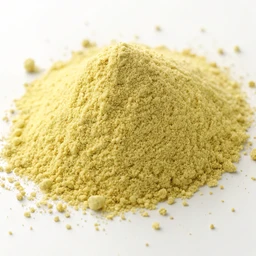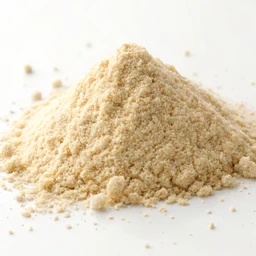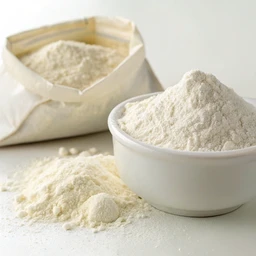
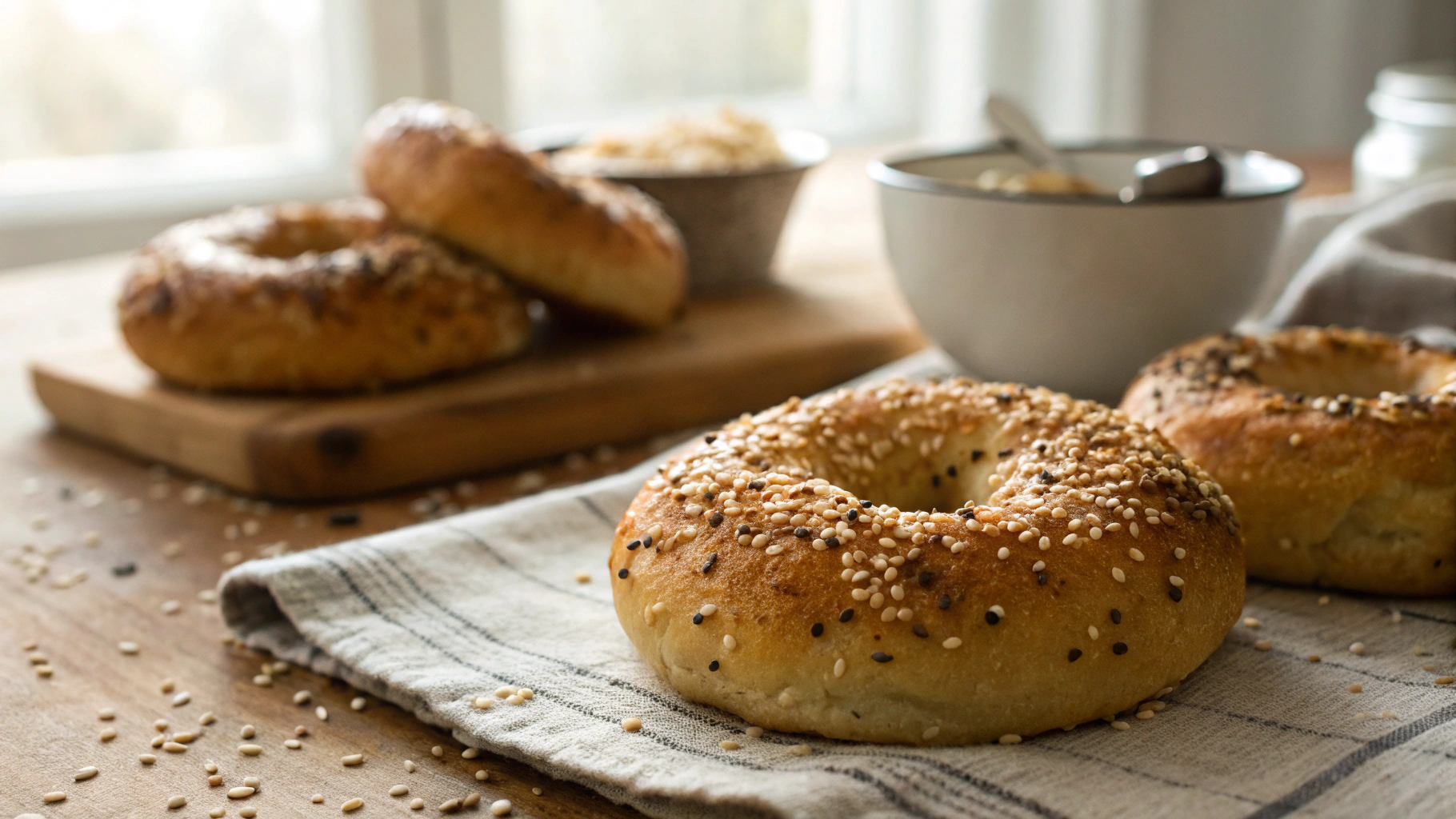
These delightful bagels reimagine a classic baked good with a uniquely satisfying texture. Crafted from a carefully balanced dough, they achieve a remarkable softness and chewiness that will captivate your taste buds. The dough, enriched with a touch of yeast, offers a wonderfully airy and velvety crumb, setting these bagels apart.
Each bite promises a delicious experience, leaving you yearning for another. The foundation of this recipe utilizes a special dough, lightened to perfection with the help of xanthan gum and yeast. This combination results in a beautifully risen and pillowy bread, providing the ideal base for your favorite bagel toppings or fillings.
For optimal results, it's highly recommended to include both the xanthan gum and the yeast, as their presence is crucial in achieving the desired light and airy texture, preventing a dense or crumbly outcome. Several key elements contribute to the success of these bagels. Firstly, when activating the yeast, ensure that the water is lukewarm, closely matching body temperature.
Water that is too hot can harm the yeast, while water that is too cold may hinder its activation. Secondly, allowing the dough to rest and rise in a warm environment for at least 30 minutes is essential. This step allows the dough to develop its characteristic airy texture, and skipping it may lead to a denser final product.
One of the many advantages of this bagel recipe is its adaptability. You can easily create plain bagels or everything bagels, depending on your preference. Feel free to incorporate a touch of sweetener into the dough and add blueberries, cranberries, or any other ingredient of your choice to create your own custom flavor combinations.
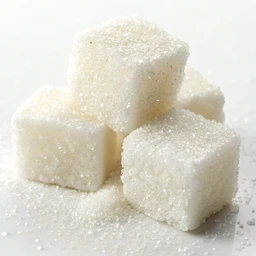
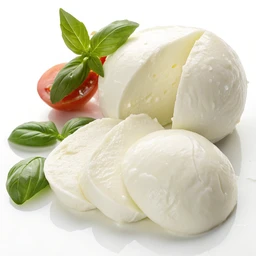
For an even more indulgent experience, consider making cheese-filled bagel bites, which offer a molten and irresistible snack. While the addition of sugar is generally avoided, this recipe makes a slight exception. The sugar serves as nourishment for the yeast, enabling it to produce carbon dioxide, the essential bubbles that give bread and baked goods their rise.
In essence, the yeast effectively consumes the sugar during activation, leaving none behind in the final product.
 Zylo AI