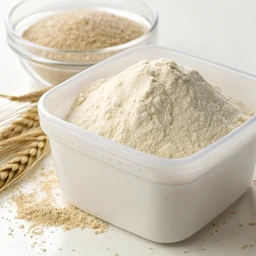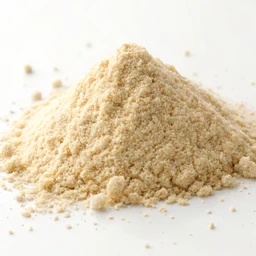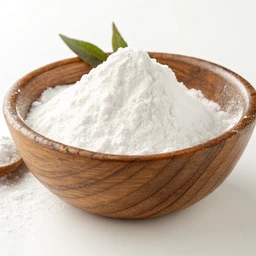
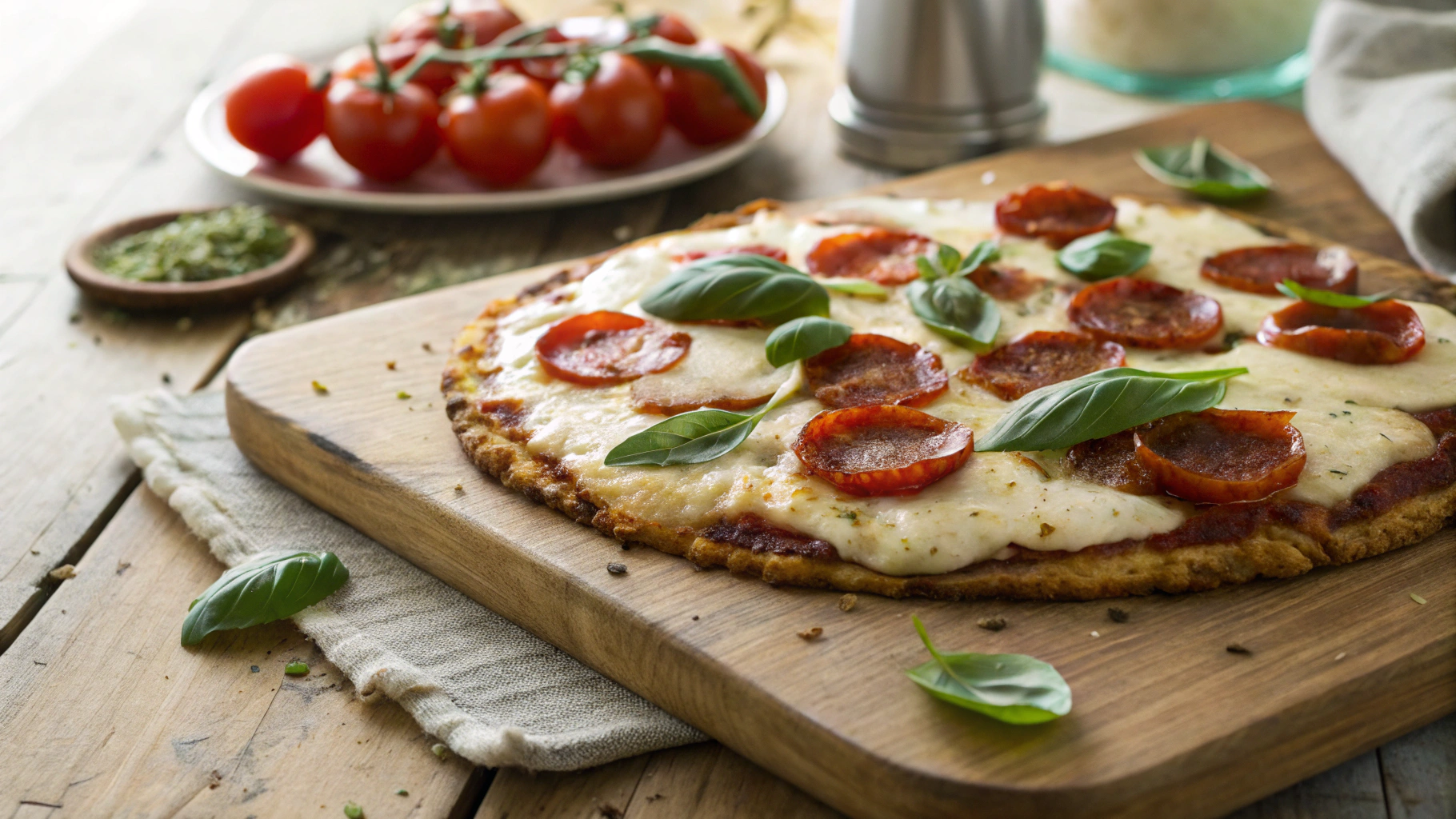
This almond flour pizza crust creates a delightful base that bakes to a satisfyingly thin and crisp texture, hinting at traditional bread. The touch of yeast incorporated into the dough primarily enhances the flavor profile rather than promoting a significant rise, resulting in a delectable foundation for your pizza creations. Remember that this recipe focuses solely on the crust, allowing you complete freedom to customize it with your preferred toppings.
Pre-baking the crust is crucial for achieving the optimal texture and preventing a soggy outcome. This step ensures the crust can withstand the moisture from sauces and toppings, maintaining its pleasant crispness. A tiny amount of honey is used to activate the yeast.
The quantity is carefully measured to ensure the yeast consumes all the sugar during baking, leaving no residual sugars behind. This recipe is naturally gluten-free and dairy-free, catering to various dietary needs. For a vegan option, simply substitute the honey with a scant amount of coconut sugar.
Replace the egg with plant-based plain yogurt or increase the psyllium husk mixed with water until a thick gel forms. Once your crust is ready, spread a thin layer of your favorite marinara sauce. Feel free to explore homemade variations or opt for a store-bought selection that complements your taste preferences.
The possibilities for toppings are endless. Beyond the classic combination of sauce and mozzarella, consider adding chorizo, pepperoni, ham, sausage, grilled chicken, olives, sliced mushrooms, peppers, capers, anchovies, asparagus, eggplant, and zucchini. The key is to choose ingredients that tantalize your taste buds and create a harmonious blend of flavors.
If you plan to use fresh vegetables as toppings, pre-roasting them in the oven is highly recommended. This step helps to remove excess moisture, preventing a soggy pizza base and concentrating their natural flavors. Allow the pre-baked crust to cool completely before adding your toppings.
This pizza crust can be prepared 2-3 days in advance and stored in the refrigerator, tightly wrapped in aluminum foil to maintain its freshness. Leftover pizza slices can be individually wrapped in aluminum foil or stored in airtight containers in the refrigerator or freezer for future enjoyment. This pizza base freezes exceptionally well, making it a convenient option for meal prepping or whenever you crave a homemade pizza.
To freeze the crust, wrap it in aluminum foil and place it on a baking tray or cardboard to provide support and prevent cracking, especially if the crust is thin. To defrost, simply remove the crust from the freezer and let it thaw on a baking tray at room temperature for a few hours. Once defrosted, proceed with adding your desired toppings and baking as directed.
 Zylo AI